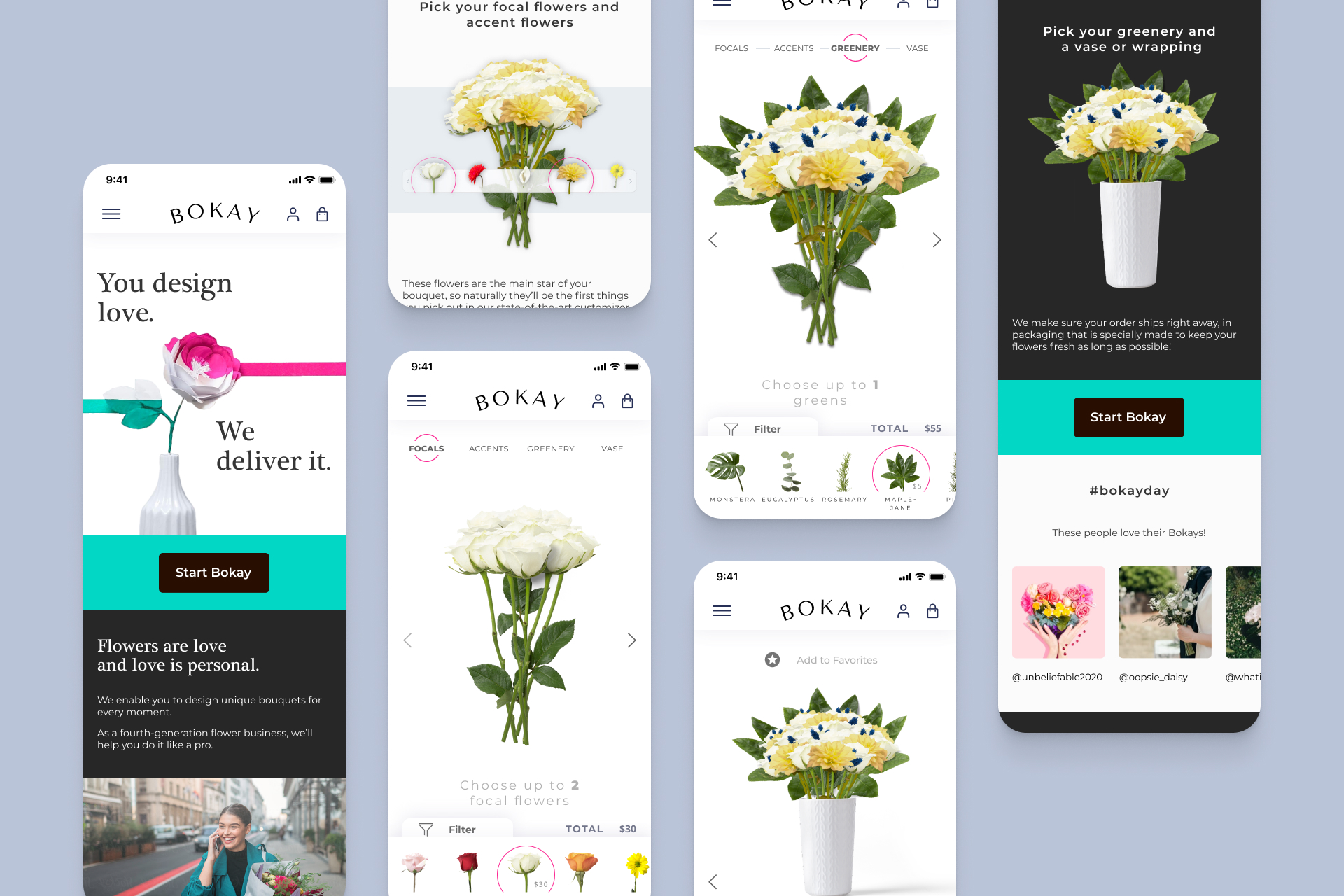
Bokay
Role & team
UX Designer & Researcher working with another UX Designer, a UI Designer, and a Project Manager.
Timeline
6 weeks.
Skills
UX design, research.
Tools
Figma, Photoshop.
The Challenge: Digitizing Customization
Family Flowers, a fourth-generation floral business, aimed to evolve its digital presence and cultivate loyalty among a younger audience. The central challenge was translating the complex, artisan process of building a custom bouquet into a simple, engaging online tool.
- Brand Loyalty: Attract younger customers by offering a premium, personalized experience.
- Visualization: Solve the industry-wide problem of customers being unable to visualize their final arrangement.
- Simplicity: Find the vital balance between offering enough customization options to feel personal, without overwhelming the average user.
Key Deliverables
- Four-Step Customization Tool: Architected a simple, sequential flow that guided users through bouquet creation, mimicking a professional florist's process.
- Minimalist Interface: Designed a clean, white-space focused UI (the "Bokay Aesthetic") to ensure the flowers and imagery were the primary focus, establishing trust and perceived quality.
- Visual Trust: Ensured the quality of photography and the step-by-step visualization were paramount, directly addressing the user insight that images must accurately represent the final product.
Process Overview
Strategy & Execution
- Competitive Analysis: Studied complex customization platforms (Nike, Volkswagen) to determine best-practice step-by-step flows and visualization.
- User Research: Conducted six user interviews and 47 surveys to synthesize user insights on online flower purchasing and customization pain points.
This evidence led me to structure the tool around a clean, four-step floral methodology (Focal Flowers, Accents, Greenery, Vessel) to guide the user intuitively.
Delivered
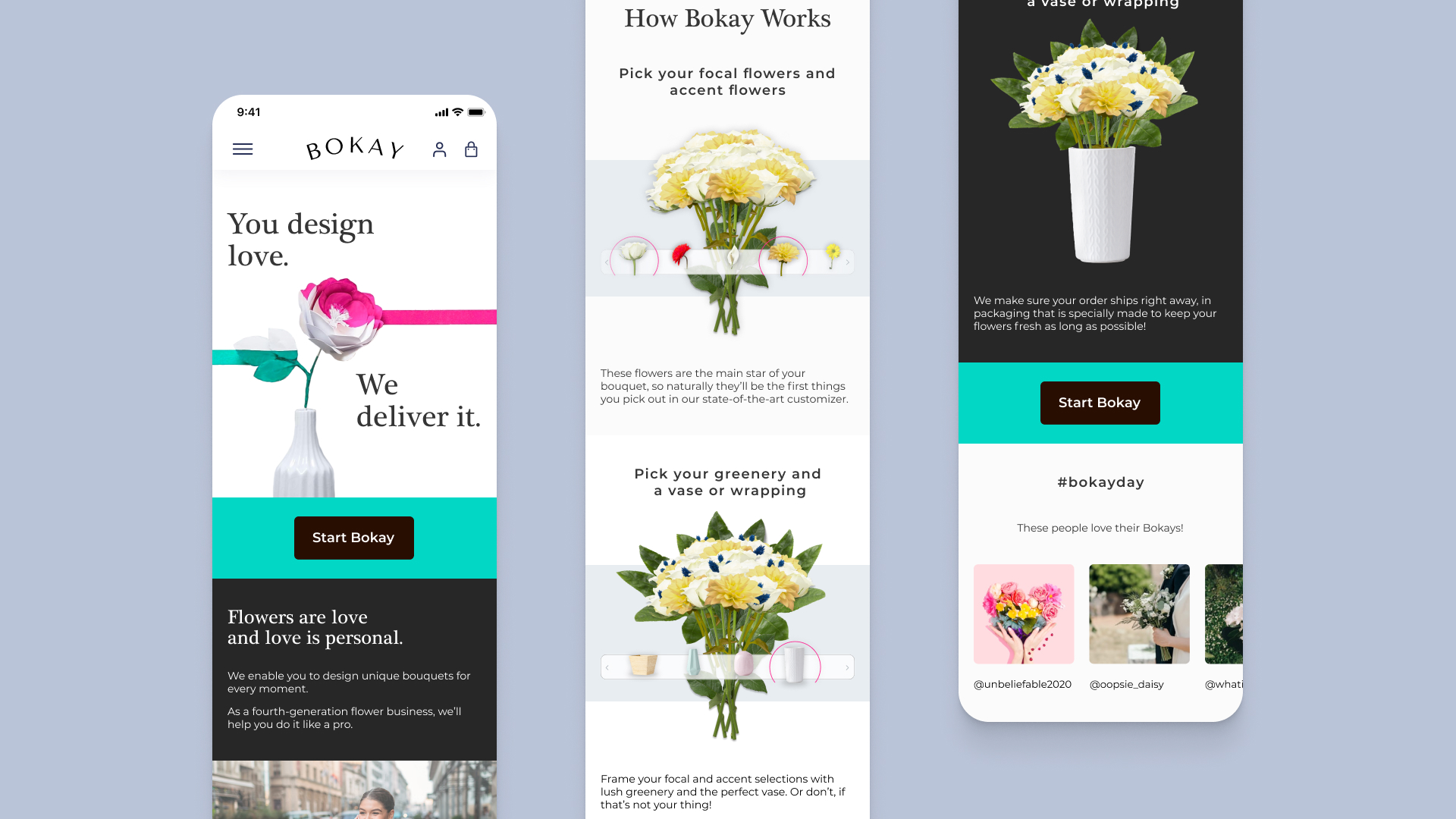
Mobile landing page
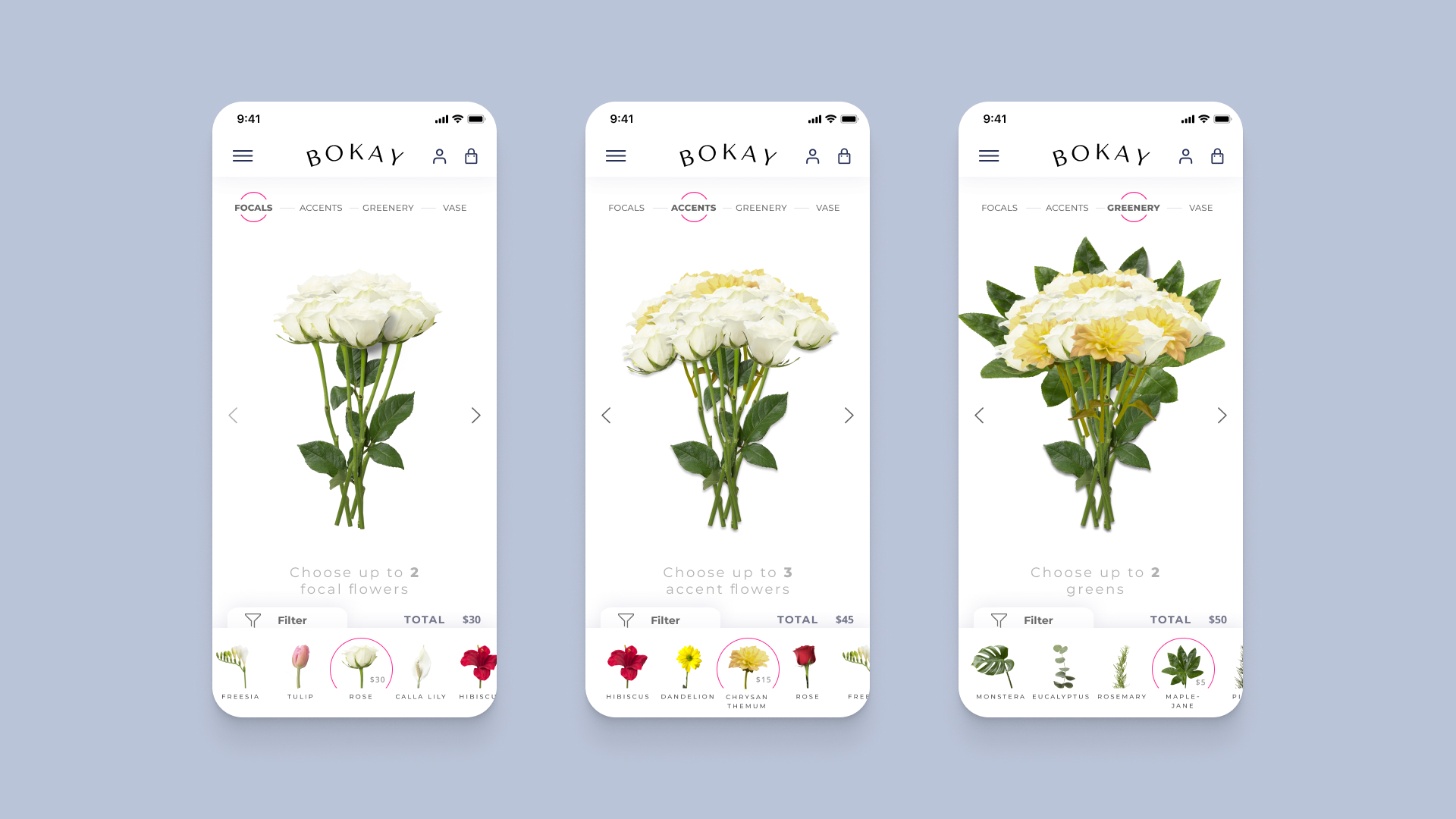
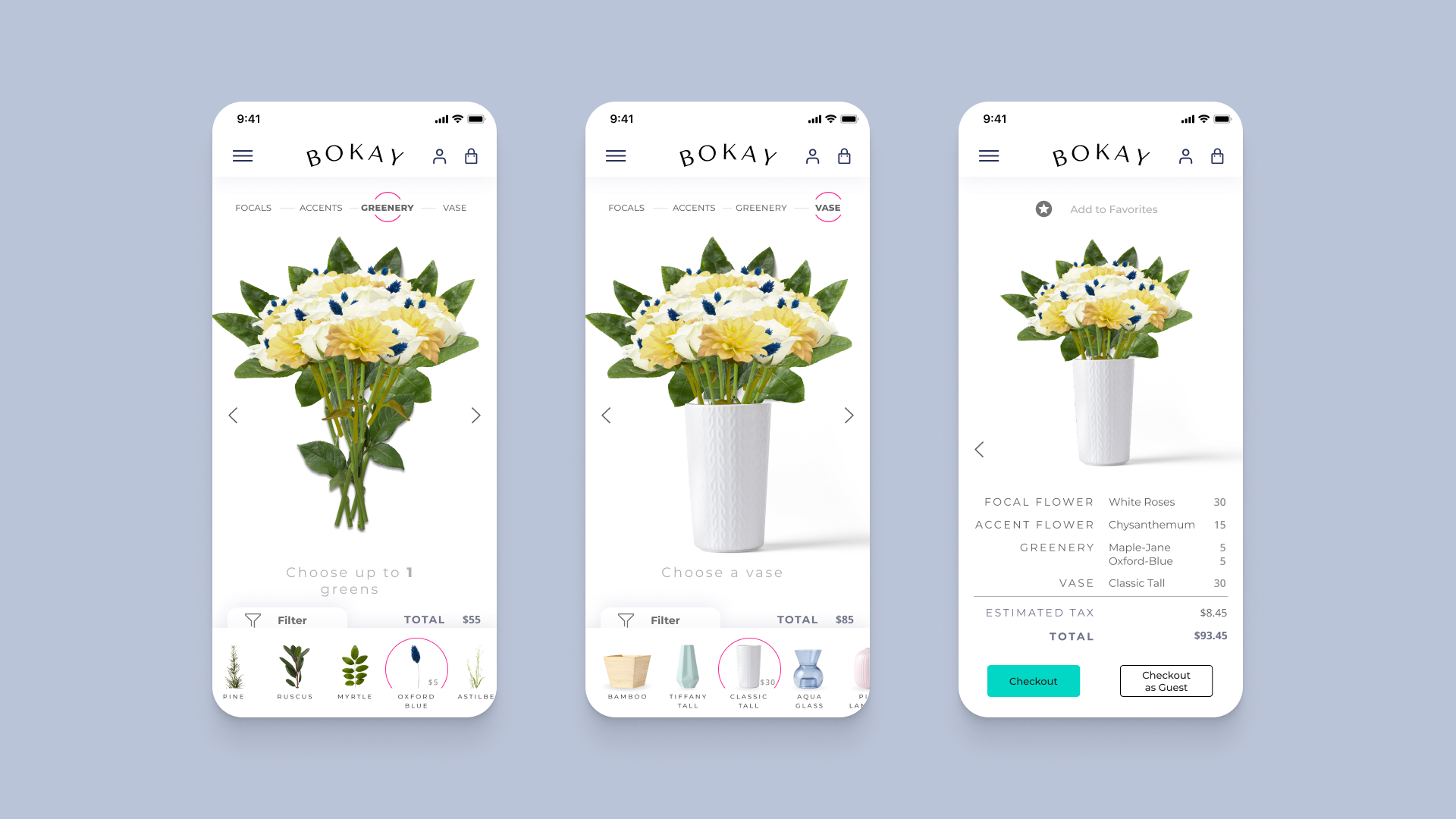
Bouquet customization tool
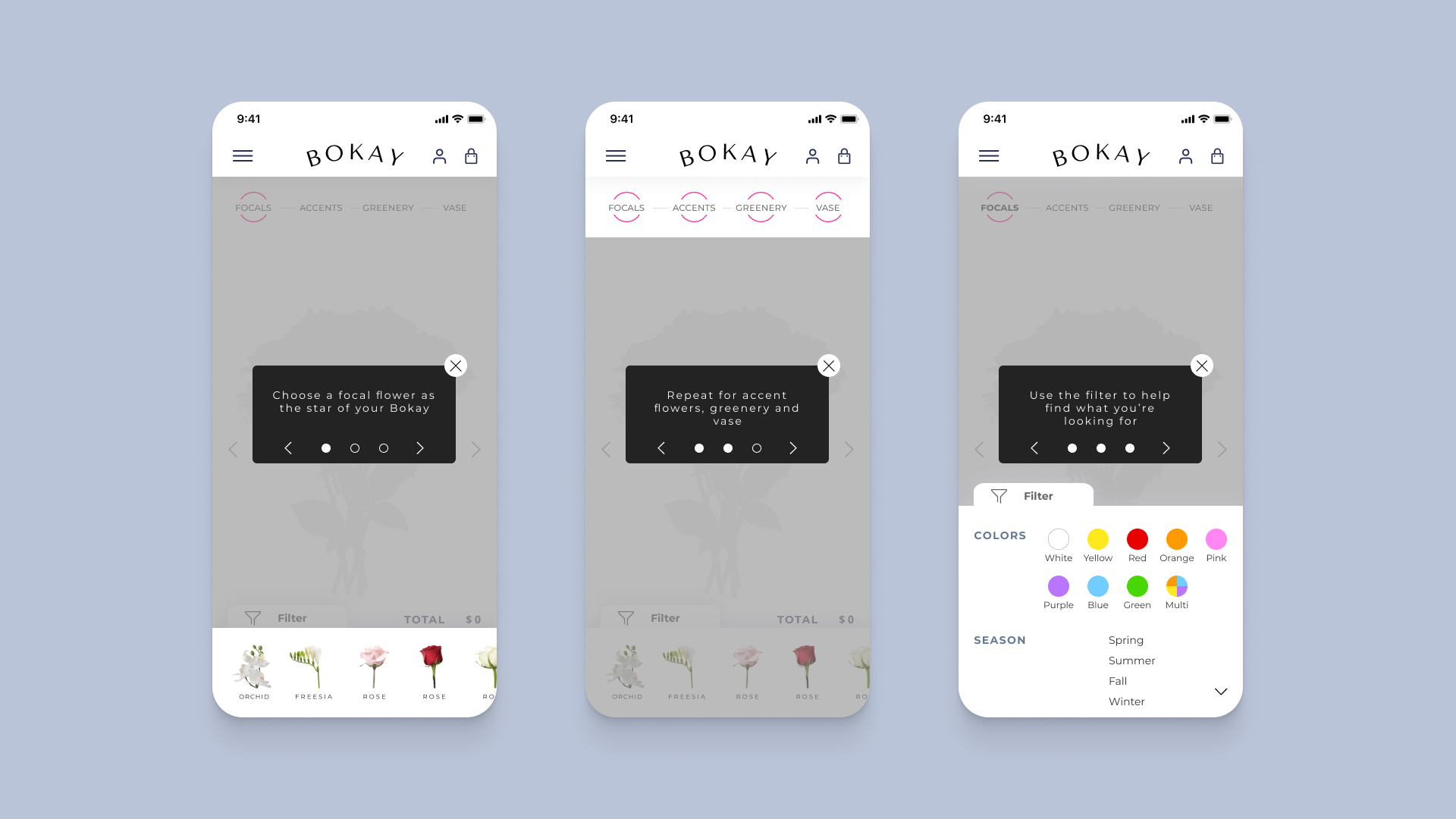
Tool tips before customization
"I was blown away by John's talents and his communication every step of the way. He went above and beyond and I am thrilled that I had the chance to have him work on this special UX project that required immense creativity, very fast delivery, and had to meet very specific criteria."
— Kevin McCarthy, Owner + President, Family Flowers
Video-first content redesign
Mobile course content redesign
Mobile course content redesign
Image description
Results & Lessons Learned
The project successfully delivered a market-ready product, validating our strategic research and minimalist design approach by directly solving a core business challenge.
Key Takeaways
Set Constraints: I learned that setting strategic constraints early in the ideation phase (like the four-step flow) is vital for keeping complex creative processes manageable and focused.
Test Early and Often: Testing even minor design changes proved critical, as small adjustments can profoundly impact the customization tool's overall usability.
You Are Not the User: Maintaining an objective perspective—disconnecting my familiarity with the design—was essential for identifying friction points and delivering a user-centric solution.
Client Adoption
Project Evolution
Success of the final UX design led to the project being adopted for real-world development by Family Flowers.
Optimized Flow
Usability Validation
Early user testing and iteration ensured the four-step flow had high usability and low cognitive load for first-time users.
Clean Design
Core Insight
Validated that a minimal interface and high-quality visuals are essential for driving trust and discouraging unnecessary "add-ons."
Results & Lessons Learned
The project successfully delivered a market-ready product, validating our strategic research and minimalist design approach by directly solving a core business challenge.
Key Takeaways
Set Constraints: I learned that setting strategic constraints early in the ideation phase (like the four-step flow) is vital for keeping complex creative processes manageable and focused.
Test Early and Often: Testing even minor design changes proved critical, as small adjustments can profoundly impact the customization tool's overall usability.
You Are Not the User: Maintaining an objective perspective—disconnecting my familiarity with the design—was essential for identifying friction points and delivering a user-centric solution.
Client Adoption
Project Evolution
Success of the final UX design led to the project being adopted for real-world development by Family Flowers.
Optimized Flow
Usability Validation
Early user testing and iteration ensured the four-step flow had high usability and low cognitive load for first-time users.
Clean Design
Core Insight
Validated that a minimal interface and high-quality visuals are essential for driving trust and discouraging unnecessary "add-ons."